Via Crucis

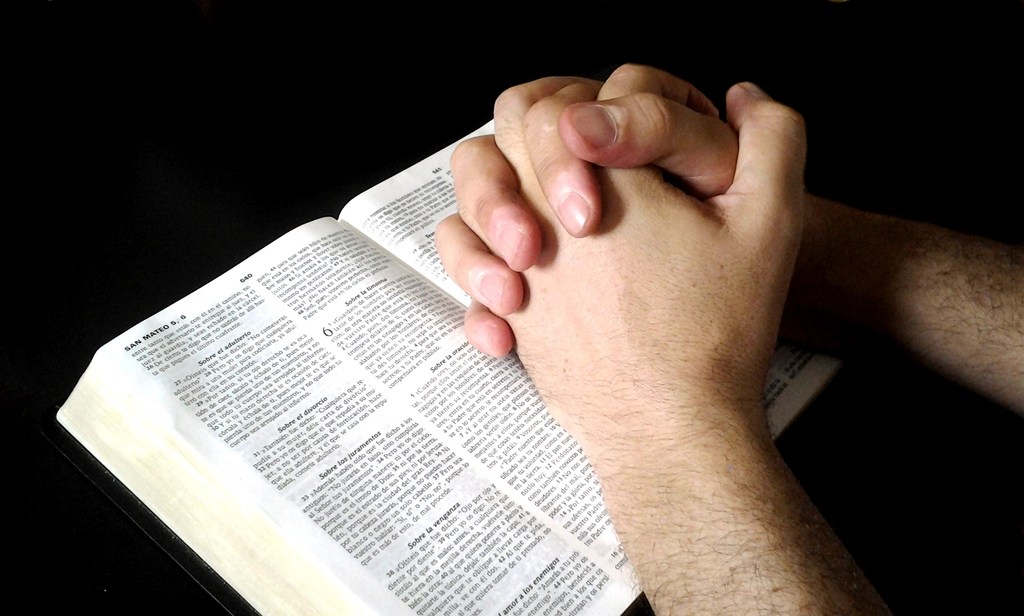
Photo by DIRON J on Pexels.com

The Powerful and Deep Meaning of the Via Crucis for Latinos

Holy Week in Latin America has long been celebrated as both a national and spiritual event, deeply rooted in the region’s strong Roman Catholic tradition. For many countries, this sacred time is marked by solemn devotion and rich cultural expressions. Families take time to create the famous alfombras de aserrín—vibrant sawdust carpets—on the streets, which often take days to complete. Others take leave from work to cargar (carry) large religious processions featuring images of Christ at various moments of His Passion—such as Jesus at Gethsemane, or Jesus on the way to Golgotha.

During this week, daily life pauses. Businesses close, schools take breaks, and families gather to participate in local traditions: the burning of Judas, community vigils, and street vendors offering special “Holy Week foods,” all depending on one’s country and hometown customs.

At the heart of these traditions is the Via Crucis—the Way of the Cross on Good Friday. For many Latinos, this is more than just a reenactment of Christ’s suffering and death. It is a sacred, communal ritual that carries deep spiritual and cultural significance. Christ’s pain and journey resonate with the real-life struggles of many in our communities, particularly among those who are poor, immigrant, or marginalized. It reminds us that we are not alone in our suffering—that God walks with us.

In the USA, the preparation for the Via Crucis often engages the entire faith community. It becomes a powerful, intergenerational effort where everyone—children, teens, adults, and elders—has a role to play. In many Latino churches, during Holy Week, the Passion is brought to life through a dramatized procession. Streets, parking lots, or church grounds are transformed into a living Jerusalem.

A teenager typically portrays Jesus, carrying a wooden cross through the stations. Young girls act as the women of Jerusalem, weeping for Him. Even the youngest children may dress as Roman soldiers or members of the crowd. Participants learn specific lines and actions, immersing themselves in the story of Christ’s final journey.

The Via Crucis often takes place at dusk or after nightfall, with tiki torches or hand-held lanterns lighting the way. The final station usually includes the symbolic act of placing “Jesus” in the tomb—a moment that leaves a deep impression on all who witness it.

This living drama is more than tradition—it is a testimony. It reflects the strength and faith of a community that, while often facing adversity, remains steadfast in its commitment to God and to one another. The Via Crucis is an expression of resilience, identity, and reverence. Through it, we teach our children not just the story of Christ, but also the story of our people—a people who believe, who persevere, and who continue to walk with Christ, even on the hardest roads.

El Profundo y Poderoso Significado del Vía Crucis para los Latinos

La Semana Santa en América Latina ha sido celebrada por siglos como un evento tanto nacional como espiritual, profundamente arraigado en la tradición católica. En muchos países, este tiempo sagrado está marcado por una devoción solemne y expresiones culturales ricas. Las familias se toman el tiempo para crear las famosas alfombras de aserrín en las calles, que pueden tardar días en elaborarse. Otros piden permiso en el trabajo para cargar en las procesiones religiosas que llevan imágenes de Cristo en distintos momentos de su Pasión, como Jesús en Getsemaní o Jesús camino al Gólgota.

Durante esta semana, la vida cotidiana se detiene. Los negocios cierran, las escuelas descansan, y las familias se reúnen para participar en las tradiciones locales: la quema de Judas, vigilias comunitarias y vendedores ambulantes que ofrecen comidas típicas de Semana Santa, todo dependiendo del país y las costumbres del pueblo de origen.

En el centro de estas tradiciones está el Vía Crucis, el Camino de la Cruz en Viernes Santo. Para muchos latinos, no es solo una representación del sufrimiento y la muerte de Cristo. Es un ritual sagrado y comunitario que tiene un profundo significado espiritual y cultural. El dolor y la entrega de Cristo resuenan con las experiencias reales de muchos en nuestras comunidades, especialmente entre quienes enfrentan pobreza, migración o marginación. Nos recuerda que no estamos solos en nuestro sufrimiento—Dios camina con nosotros.

En Estados Unidos, la preparación del Vía Crucis a menudo involucra a toda la comunidad de fe. Se convierte en un esfuerzo intergeneracional donde todos—niños, adolescentes, adultos y personas mayores—tienen un papel importante. En muchas iglesias latinas,  durante la Semana Santa, se realiza una representación dramatizada de la Pasión. Las calles, los estacionamientos o los alrededores de la iglesia se transforman en una Jerusalén viviente.

Un adolescente suele interpretar a Jesús, cargando una cruz de madera a lo largo de las estaciones. Las niñas representan a las mujeres de Jerusalén, llorando por Él. Incluso los niños más pequeños participan, a veces vestidos como soldados romanos o miembros del pueblo. Cada participante aprende líneas y gestos específicos, y al hacerlo, encarnan e interiorizan la historia del último camino de Jesús.

El Vía Crucis suele realizarse al anochecer o entrada la noche, con antorchas o lámparas de mano que iluminan el recorrido. La estación final suele incluir el acto simbólico de colocar a “Jesús” en el sepulcro—un momento que conmueve profundamente a quienes lo presencian.

Este drama viviente no es solo una tradición—es un testimonio. Refleja la fuerza y la fe de una comunidad que, a pesar de las dificultades, permanece firme en su compromiso con Dios y entre sí. El Vía Crucis es una expresión de resistencia, identidad y reverencia. A través de este rito sagrado, transmitimos a nuestros hijos no solo la historia de Cristo, sino también la historia de nuestro pueblo—un pueblo que cree, que resiste, y que sigue caminando con Cristo, incluso en los caminos más difíciles.
Fear – Miedo

This message is in English and Spanish

Fear
As we enter a new era in the politics of our country, we also begin an era of fear, harassment, and violent rhetoric targeting our minority communities, who have become scapegoats and easy targets depending on who holds power. This phenomenon has recurred every decade as immigration becomes a hot topic in each election cycle.

My message this time has a double audience and intention. First, I want to extend my solidarity to my fellow Latine communities. I understand your pain, fear, and uncertainty. I came to this country back in the 1980s and, like many of you, didn’t speak English, I suffered cultural shock, and lived with the fear of knowing that any member of my family could be deported at any time. Back then, we didn’t have the pro-immigrant institutions, lawyers, or protections available today. Instead, we gathered among neighbors and created action plans in case any of our loved ones were detained.

Our plans included:

  • Having honest conversations with family members about what it means to be undocumented in this country and the associated risks.
  • Keeping an attorney’s contact information handy, or better yet, visiting an attorney so they at least know your name.
  • Keeping cash at home for emergencies, since arrested family members might not be able to access bank accounts.
  • Arranging for someone to pick up children from school, daycare, or babysitters if a parent is detained by ICE.
  • Teaching teenagers to use rideshare apps like Uber.
  • Storing important documents in a single, safe place.
  • Avoiding nighttime parties, bars, and nightclubs.
  • Keeping your car insured, inspected, and registered, and obeying traffic laws to avoid being stopped by police.
  • Finding a home church or support system to help you through difficult times.

Live as normally as possible, obey the law, but try not to draw attention to yourself or become a target.

Second, my message is for my fellow Anglo communities. Many of you are new to this reality. If you want to help Latine communities as they navigate these challenges, here’s what you can do:

  • Pray for our communities.
  • Provide safe spaces for families.
  • Help them create safety plans.
  • Advocate for their well-being and be present in their lives.
  • If you can provide free counseling, please do so. Being an immigrant is hard; being targeted by those in power is exhausting.
  • Make yourself available as a safe person they can trust. Building trust takes time, but your support can make a difference.
  • Watch for signs of depression, which is common in immigrant communities, especially among single mothers, who are particularly vulnerable during these times of persecution.

May God help us all!

Pastor Violeta Siguenza

Miedo
Al entrar en una nueva era política en nuestro país, también comenzamos una era de miedo, acoso y retórica violenta dirigida a nuestras comunidades minoritarias, que se han convertido en chivos expiatorios y blancos fáciles dependiendo de quién tiene el poder. Este fenómeno se ha repetido cada década, ya que la inmigración se convierte en un tema candente en cada ciclo electoral.

Mi mensaje esta vez tiene una doble audiencia e intención. Primero, quiero extender mi solidaridad a mis comunidades latinas. Entiendo su dolor, su miedo y su incertidumbre. Vine a este país en los años 80 y, como muchos de ustedes, no hablaba inglés, sufrí el choque cultural y viví con el temor de saber que cualquier miembro de mi familia podría ser deportado en cualquier momento. En esos años, no teníamos las instituciones proinmigrantes, los abogados o las protecciones que se ven hoy en día. En cambio, nos reuníamos entre vecinos y creábamos planes de acción en caso de que alguno de nuestros seres queridos fuera detenido.

Nuestros planes incluían:

  • Tener conversaciones honestas con los miembros de la familia sobre lo que significa ser indocumentado en este país y los riesgos asociados.
  • Tener a la mano el número de contacto de un abogado, o mejor aún, visitar a un abogado para que al menos conozca su nombre.
  • Guardar efectivo en casa para emergencias, ya que los miembros de la familia arrestados podrían no tener acceso a sus cuentas bancarias.
  • Designar a alguien para recoger a los niños de la escuela, la guardería o la niñera en caso de que un padre sea detenido por ICE.
  • Enseñar a los adolescentes a usar aplicaciones de transporte como Uber.
  • Guardar documentos importantes en un lugar único y seguro.
  • Evitar fiestas nocturnas, bares y discotecas.
  • Mantener el seguro, la inspección y las placas de su automóvil actualizados, y obedecer las leyes de tránsito para evitar ser detenido por la policía.
  • Encontrar una iglesia local o un sistema de apoyo que les ayude en tiempos difíciles.

Vivan lo más normalmente posible, obedezcan la ley, pero traten de no llamar la atención ni convertirse en un objetivo.

En segundo lugar, mi mensaje es para mis comunidades anglosajonas. Muchos de ustedes son nuevos en esta realidad. Si quieren ayudar a las comunidades latinas a enfrentar estos desafíos, aquí tienen lo que pueden hacer:

  • Oren por nuestras comunidades.
  • Brinden espacios seguros para las familias.
  • Ayúdenles a crear planes de seguridad.
  • Defiendan su bienestar y estén presentes en sus vidas.
  • Si pueden proporcionar consejería gratuita, háganlo. Ser inmigrante es difícil; ser objetivo de los que están en el poder es agotador.
  • Háganse disponibles como una persona de confianza. Construir esa confianza lleva tiempo, pero su apoyo puede marcar la diferencia.
  • Estén atentos a los signos de depresión, que es común en las comunidades inmigrantes, especialmente entre las madres solteras, quienes son particularmente vulnerables durante estos tiempos de persecución.

¡Que Dios nos ayude a todos!

Pastor Violeta Siguenza

Lent 2024 – Violeta

During this Lenten Season nothing better than sharing one of my favorite poems. Enjoy!

“Do not love half lovers
Do not entertain half friends
Do not indulge in works of the half talented
Do not live half a life
and do not die a half death
If you choose silence, then be silent
When you speak, do so until you are finished
Do not silence yourself to say something
And do not speak to be silent
If you accept, then express it bluntly
Do not mask it
If you refuse then be clear about it
for an ambiguous refusal is but a weak acceptance
Do not accept half a solution
Do not believe half truths
Do not dream half a dream
Do not fantasize about half hopes
Half a drink will not quench your thirst
Half a meal will not satiate your hunger
Half the way will get you no where
Half an idea will bear you no results
Your other half is not the one you love
It is you in another time yet in the same space
It is you when you are not
Half a life is a life you didn’t live,
A word you have not said
A smile you postponed
A love you have not had
A friendship you did not know
To reach and not arrive
Work and not work
Attend only to be absent
What makes you a stranger to them closest to you
and they strangers to you
The half is a mere moment of inability
but you are able for you are not half a being
You are a whole that exists to live a life
not half a life”

― Gibran Khalil Gibran

Durante esta epoca de Cuaresma, que major que compatirles uno de mis poemas favoritas.  Espero les guste!

“No ames a medios amantes

No entretengas a amigos a medias

No te entregues a obras de medio talento

No vivas media vida

y no mueras una muerte a medias

Si eliges el silencio, entonces quédate callado

Cuando hables, hazlo hasta que hayas terminado

No te silencies para decir algo

Y no hables para quedarte en silencio

Si aceptas, exprésalo sin rodeos

No lo disfraces

Si rechazas, sé claro al respecto

porque un rechazo ambiguo no es más que una aceptación débil

No aceptes una solución a medias

No creas medias verdades

No sueñes medio sueño

No fantasees con medias esperanzas

Media bebida no saciará tu sed

Media comida no saciará tu hambre

Medio camino no te llevará a ninguna parte

Media idea no te dará resultados

Tu otra mitad no es la que amas

Eres tú en otro tiempo pero en el mismo espacio

Eres tú cuando no estás

Media vida es una vida que no viviste,

una palabra que no dijiste

una sonrisa que pospusiste

un amor que no tuviste

una amistad que no conociste

Alcanzar y no llegar

Trabajar y no trabajar

Asistir solo para estar ausente

Lo que te hace un extraño para aquellos más cercanos a ti

y ellos extraños para ti

La mitad es simplemente un momento de incapacidad

pero eres capaz porque no eres medio ser

Eres un todo que existe para vivir una vida

no media vida”

― Gibran Khalil Gibran.

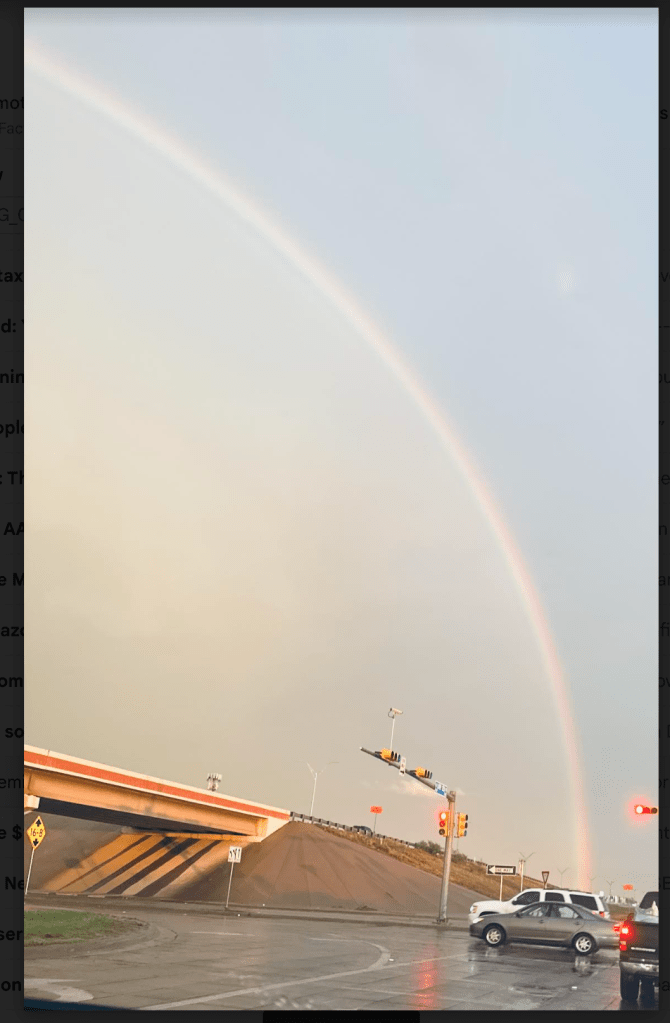
Photo taken during one of my trips to West Texas.

Lent 2024 – Violeta

For the time will come when people will not put up with sound doctrine. Instead, to suit their own desires, they will gather around them a great number of teachers to say what their itching ears want to hear. They will turn their ears away from the truth and turn aside to myths.  (2 Timothy 4:3-4)

Monkey Brain

It is often said that within us reside three distinct “brains” – the robot, the monkey, and the sage. Taming the relentless impulses of the monkey brain, which gravitate towards every shiny and new distraction, poses a significant challenge. This aspect prevents us from concentrating, pushing us to constantly chase after the latest trends and ideas.

 When delving into matters of faith, beliefs, and worship, our Monkey Brain tends to take the lead. It propels us towards the incessant pursuit of the next shiny object – whether it be a new doctrine, rituals, or even the allure of novel religions. Despite the perpetual changes in trends, the fundamental message endures: God remains omnipresent, almighty, and brimming with love and grace. It is crucial, regardless of the paths our Monkey Brain may lead us down, to recognize that there is only One Creator, always ready to meet us wherever we are, ready to embrace us as their beloved children.

The challenge, then, lies in taming the monkey brain. Establishing a consistent practice of prayer becomes a powerful tool in centering the mind, fostering inner peace, and providing resilience against constant distractions. In the pursuit of spiritual harmony, let prayer be the guiding force, bringing stillness to the restlessness within, and may the Lenten season usher in a profound sense of peace and connection with the divine.

Cerebro Mono

Porque va a llegar el tiempo en que la gente no soportará la sana enseñanza; más bien, según sus propios caprichos, se buscarán un montón de maestros que sólo les enseñen lo que ellos quieran oír. 4Darán la espalda a la verdad y harán caso a toda clase de cuentos. (2 Timoteo 4:3-4)

A menudo se dice que en nuestro interior residen tres “cerebros” distintos: el robot, el mono y el sabio. Domar los impulsos implacables del cerebro mono, que se inclinan hacia cada distracción brillante y nueva, plantea un desafío significativo. Este aspecto nos impide concentrarnos, instándonos a perseguir constantemente las últimas tendencias e ideas.

Cuando se trata de asuntos de fe, creencias y adoración, nuestro Cerebro Mono tiende a tomar la delantera. Nos impulsa hacia la búsqueda incesante del próximo objeto brillante, ya sea una nueva doctrina, rituales o incluso el atractivo de religiones novedosas. A pesar de los cambios perpetuos en las tendencias, el mensaje fundamental perdura: Dios sigue siendo omnipresente, todopoderoso y rebosante de amor y gracia. Es crucial, independientemente de los caminos que nuestro Cerebro Mono nos lleve, reconocer que solo hay un Creador, siempre listo para encontrarnos donde sea que estemos, dispuesto a abrazarnos como sus amados hijos.

El desafío, entonces, radica en domar el cerebro mono. Establecer una práctica consistente de la oración se convierte en una herramienta poderosa para centrar la mente, fomentar la paz interior y proporcionar resistencia contra las distracciones constantes. En la búsqueda de la armonía espiritual, que la oración sea la fuerza guía, aportando quietud a la inquietud interna, y que la temporada de Cuaresma traiga un profundo sentido de paz y conexión con lo divino.

Lake Tahoe 2023

Lent 2024 -Violeta

God Is Light

This is the message we have heard from him and proclaim to you, that God is light and in him is no darkness at all. (1 John 1:5)

Oby is more than just my pet; he’s my baby. Every time I come home, his joyous celebration makes it seem as if we’ve been separated for ages. It’s a heartwarming reminder that to him, I am the center of his world. When I’m away, he displays a deep loyalty, often waiting by the door and even foregoing meals until my return. In sickness, he lies faithfully by my side, and in moments of happiness, he shares in the celebration. Even during work, he stays close, perched on my lap. I am everything to him.  Reflecting on this, it strikes me how wonderful it would be if we could share a similar relationship with our Creator. To rely on God, celebrate His presence, and make Him the focal point of our lives. Imagine God being our Light and our everything! The Creator offers us unconditional love, forgiveness, mercy, and grace. The question then becomes: Are we ready to accept and embrace these gifts? Just as Oby unconditionally gives me his love, can we open our hearts to receive the boundless love and grace that God extends to us? It’s a beautiful invitation to deepen our connection with the Divine and find fulfillment in a relationship where God is truly our everything.

Dios es Luz

Éste es el mensaje que Jesucristo nos enseñó y que les anunciamos a ustedes: que Dios es luz y que en él no hay ninguna oscuridad. (1 Juan 1:5)

Oby es más que mi mascota; es mi bebé. Cada vez que llego a casa, su alegre celebración da la impresión de que hemos estado separados durante siglos. Es un recordatorio conmovedor de que para él, soy el centro de su mundo. Cuando estoy fuera, muestra una lealtad profunda, a menudo esperando junto a la puerta e incluso sin comer hasta mi regreso. En la enfermedad, yace fielmente a mi lado, y en momentos de felicidad, comparte la celebración. Incluso durante el trabajo, se queda cerca, encaramado en mi regazo. Soy todo para él.

Reflexionando sobre esto, me sorprende lo maravilloso que sería si pudiéramos tener una relación similar con nuestro Creador. Confiar en Dios, celebrar Su presencia y hacerlo el punto focal de nuestras vidas. ¡Imagina que Dios sea nuestra Luz y nuestro todo! El Creador nos ofrece amor incondicional, perdón, misericordia y gracia. La pregunta entonces es: ¿Estamos listos para aceptar y abrazar estos regalos? Así como Oby me da su amor incondicional, ¿podemos abrir nuestros corazones para recibir el amor y la gracia ilimitados que Dios nos ofrece? Es una hermosa invitación a profundizar nuestra conexión con lo Divino y encontrar la plenitud en una relación donde Dios sea verdaderamente nuestro todo.