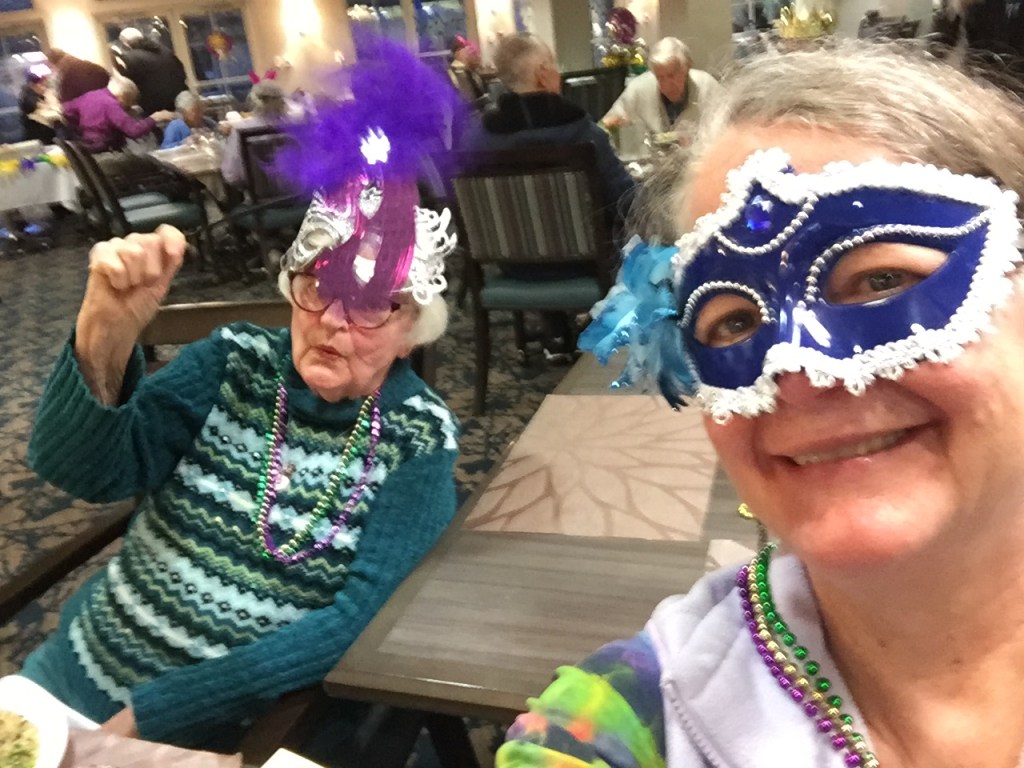
What a difference a year makes. Second only to Halloween, Mardi Gras once was our most-frequently-masked day of the year. Now though, rarely a day goes by without one. Blah. I’m tired of it.
Connecting across languages, cultures, races, ages, genders, even life and death
What a difference a year makes. Second only to Halloween, Mardi Gras once was our most-frequently-masked day of the year. Now though, rarely a day goes by without one. Blah. I’m tired of it.
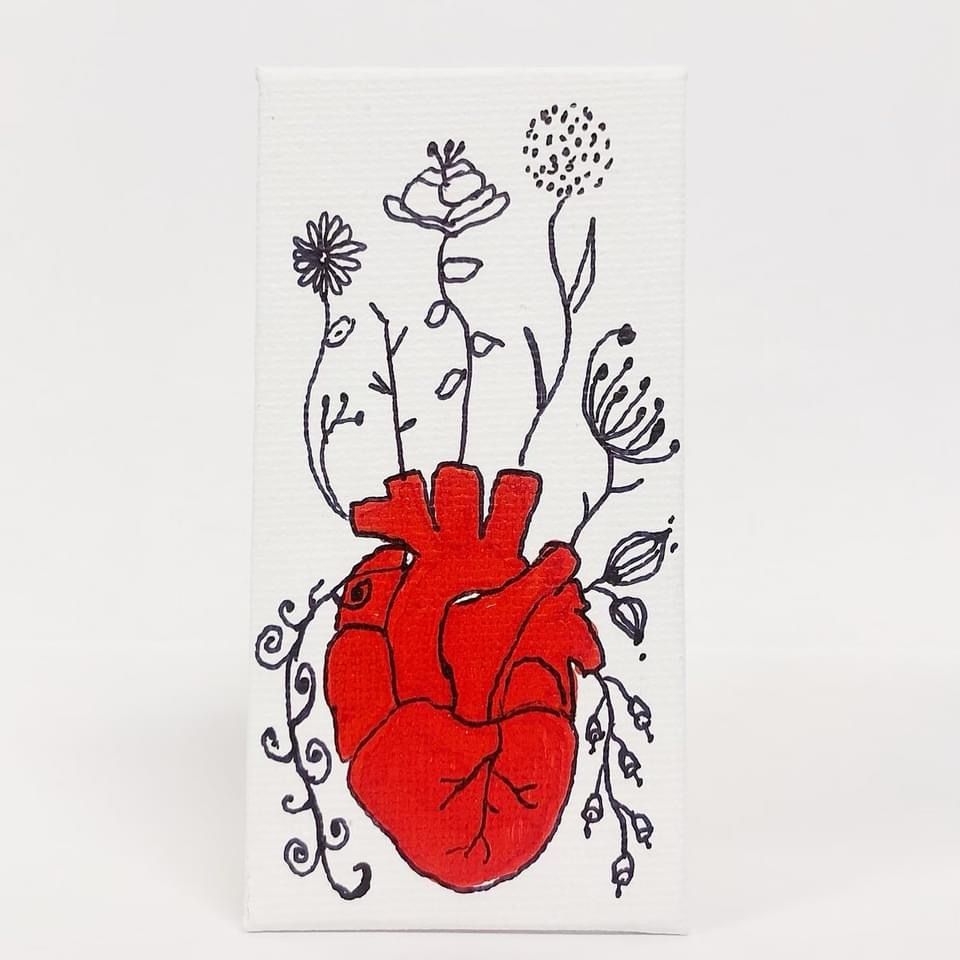
Love the One you are.
Desire God’s desire.
I am God’s desire.
(Inspired by my friend, Jeanne, during Yoga Nidra yesterday.
Title a gift from Dan O’Keeffe.)
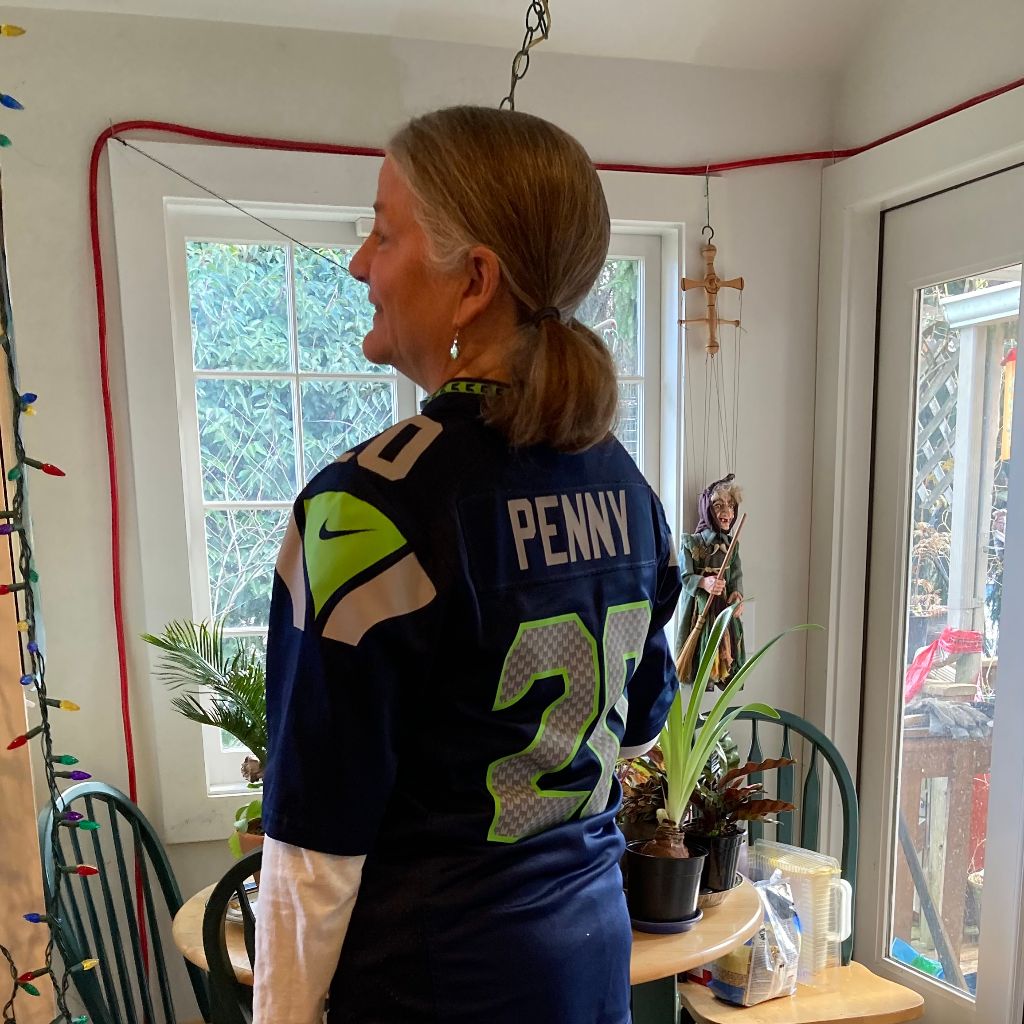
You know it’s an odd year when watching football seems normal. The first Seahawks game of the season, way back when in September, felt that way to me. I sprang out of bed and dressed immediately (for a change) in 12th-man gear including socks, earrings and my official NFL “Penny” shirt. Pizza and popcorn already planned for this pair. Of course, this past Sunday, we would have preferred cheering our own team. Instead the Super Bowl ads were of most interest. Regardless, thanks to our beloved Seahawks for a good-enough season, reminding us some things never change. Football with it’s crazy violence and money machine will survive. Surreal as it is.
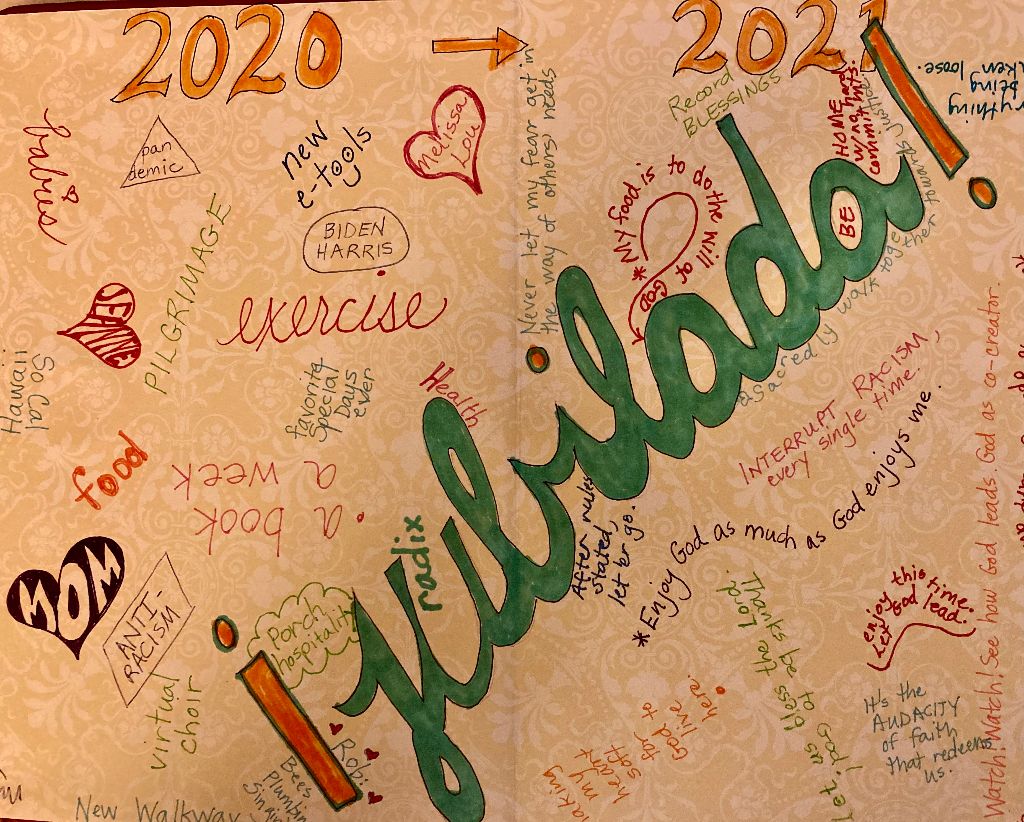
Most years it takes me a few days in early January to compile a list of potential words and choose my word for the year. For 2021 though, it was easy; I chose the first word that popped in my mind: Jubilada. Thanks to Latin etymology of many Spanish and English cognates—20,000+ they say—this word is my current favorite. For the last decade or so, when reviewing the past year and looking forward, I’ve chosen one word to accompany me into the new year.
“Jubilada” is the feminine version of a Spanish adjective that means “retired.” Linguistically its false friend (similar roots, different meaning) in English is “jubilant.” Since I am shouting for joy, a.k.a. jubilant, due to my retirement, the relationship of these two words seems closer to a true cognate (similar roots, same meaning).
Don’t get me wrong. I enjoyed working on behalf of children and families in hospitals and schools for all those years. But when I was 62, the same age Rob was when he retired, I got envious. He’s five years older than me so he has given me a close-in example of how fun it can be to call one’s own shots. So, I put together a glide slope—part-time work, academic leave and COBRA—easing down until I finally reached that magic age of 65 in November 2020. Mine is definitely an example of privilege because I was in a position to plow through the challenging maze to Medicare with options.
Of course, you’ll still find me reading books on the porch to preschoolers whenever I get the chance. Or taking cookies to my baby grandniece and her family. I can sniff out those young parents who might appreciate my encouragement; I hope they realize the encouragement is mutual. I see how well they are doing the most important work in the world—raising children. And these days, parenting during a pandemic is new territory.
Sometimes I get restless considering what I’m going to do for the rest of my life especially as most of the opportunities for travel and volunteering are still in lockdown. But that is nothing new for me, truth be told. The inner work of Being has often gotten short shrift to Doing from me. In this new world of physically-distant retirement, one of the things I like most is that I no longer report to anyone but God. This simple realization makes me jubilant a lot of the time. Not what I was expecting in 2021, my first full year of official retirement, but better.

Before “Jubilada” (another post that is begging to be written) spills out, I must address the reality of loss. I follow the example set by our new President who chose to recognize, honor and cry over the losses of 2020 before the festival of Inauguration Day. On the evening of January 19th, he led us in ceremony beside the reflecting pool, remembering the 400,000+ persons we have lost to COVID. I was moved to tears. The next morning, after he was sworn in, President Biden, crossed himself as he and Vice President Harris laid a wreathe at the tomb of the unknown soldier, acknowledging the pain of those whose loved ones died in combat. Biden knows personal loss, having buried his parents, his first wife and two of his children. He knows, and said as much, that to heal, we must grieve no matter how much it hurts. Collective grief can be especially restorative. We are all in this together, after all.
I startle when someone asks if I know people who have had COVID. I try not to tighten in judgment as I consider, “Don’t we all?” The list is long and includes my aunt, my sister, my cousin who was hospitalized, family friends who have died.
I’ve almost become accustomed to a bevy of pandemic-related losses—no travel, no restaurants, so little touch, no holding babies or attending funerals. What I lament most though is Mom’s passing memory. I miss Rob’s bladder and how his body once functioned. I too am aging with several new ailments in this crazy year: vertigo, a ganglion cyst, hip bursitis plus more arthritis.
There is no denying our collective sins—institutional racism and violence. Much has been laid bare. We brace for more violence; armed guards stand ready.
Yes, at times I weep.
And I soothe myself as I name the losses. My heart opens to the sorrows of others. I begin to rock slightly and hum. Ever so gradually I summon the courage to hope again, finally knowing, in the words of Richard Wagamese (Embers, 2016):
“You can’t test courage timidly. You have to run through the fire, arms waving, legs pumping and heart beating wildly with the effort of reclaiming something vital, lost, laid aside or just plain forgotten. When you do that, you discover that we shine most brightly in community, the whole bedraggled, worn, frayed and tattered lot of us, bound together forever by a shared courage, a family forged in the heat of earnest struggle.”

